
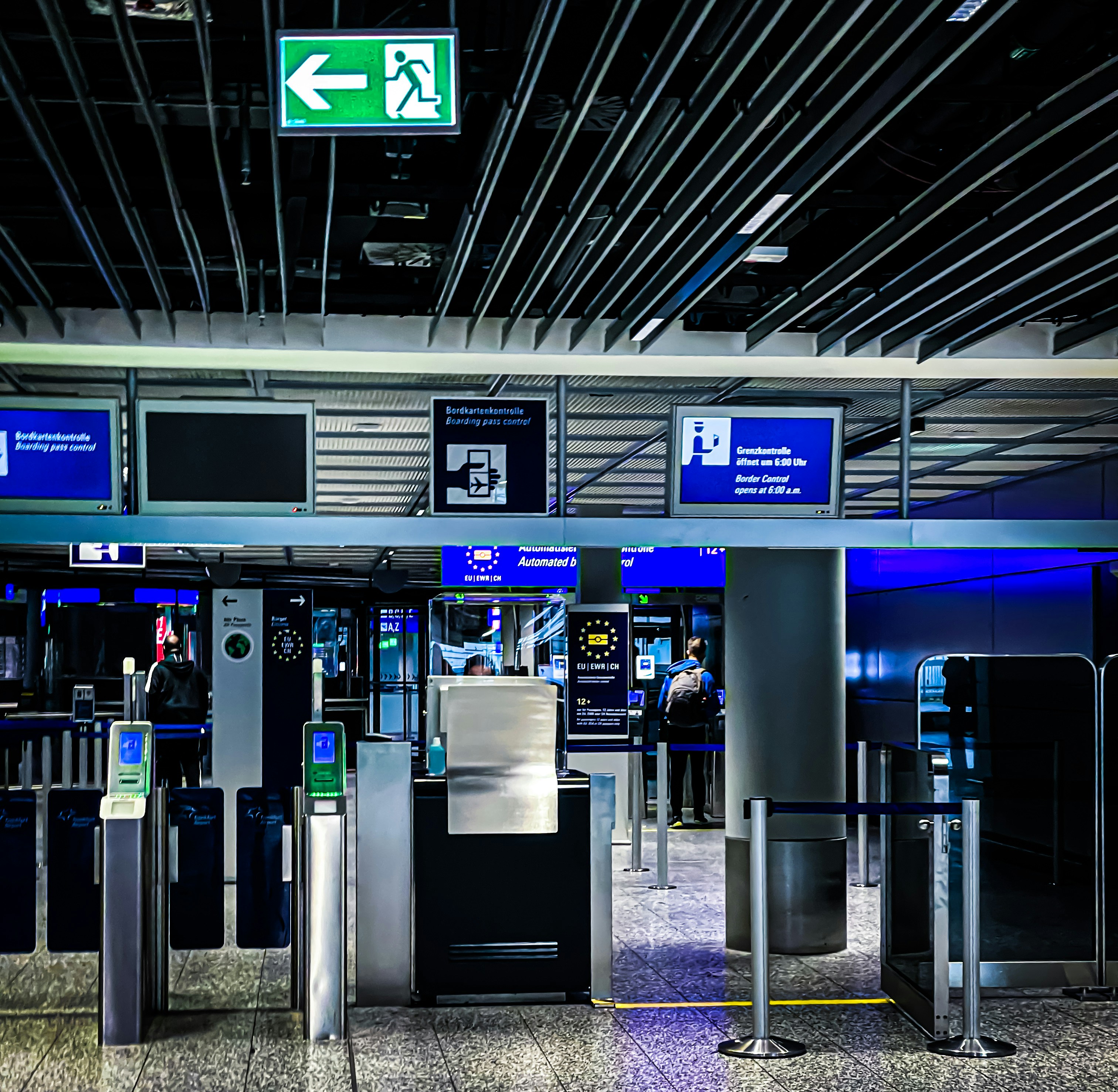
Introduction to Secure Flight Rules
The Secure Flight program, implemented by the Transportation Security Administration (TSA), aims to enhance aviation security and ensure a more secure travel experience for passengers. These rules serve as a crucial framework that mandates airlines to collect specific passenger information for all flights heading to, from, or over the United States. The primary objective of Secure Flight is to bolster the identification and verification process, ultimately minimizing security threats in the aviation sector.
Under Secure Flight rules, ticket validation requires airlines to obtain vital data such as the passenger’s full name, date of birth, and gender. This information is then cross-referenced with various watchlists maintained by federal agencies. By implementing these measures, the TSA enhances its capability to detect potentially dangerous individuals before they board a flight. Consequently, travelers must ensure they provide accurate data when booking their tickets, as discrepancies may lead to complications that can get your ticket canceled.
Compliance with Secure Flight rules is essential for all travelers. It not only impacts individual ticketing but also plays a significant role in protecting national airline security. Failing to adhere to these protocols can result in unnecessary delays, extensive questioning by security personnel, or, in some scenarios, the outright cancellation of a flight reservation. Therefore, understanding the importance of these regulations is paramount for passengers planning to travel by air. As travelers navigate the complexities of air travel, it is crucial to stay informed about Secure Flight and how its regulations apply. This awareness will not only facilitate a smoother journey but also contribute to overall flight safety by adhering to secure flight rules set forth by the authorities.
Mistake 1: Incorrect Personal Information
When booking a flight, one of the most critical aspects is ensuring that all personal information is accurately provided. Discrepancies in a passenger’s name, date of birth, or other identifying details can lead to significant issues, including the cancellation of your ticket. This is particularly important under secure flight rules, which require precise matching of the information supplied during the booking process with that listed on government-issued identification.
For instance, if a ticket is purchased under a different name than what appears on an individual’s identification, there is a high likelihood that the ticket will be deemed invalid. Airlines depend on the accuracy of personal details to verify identities and ensure compliance with safety regulations. Any inconsistencies—such as typographical errors, incorrect middle names, or variations in the spelling of a surname—can trigger a cancellation notice or denial of boarding altogether.
To avoid these complications, it is essential to double-check all personal information before finalizing your booking process. Many travel platforms, including eflight4u travel, provide step-by-step guidance to help ensure that you enter the correct details. It is advisable to cross-reference the information with your ID and any travel documents. Additionally, passengers should be aware of the requirements of secure flight rules, which necessitate a match between the details provided when getting your ticket and those on their identity documents.
Ultimately, taking the time to accurately input your personal information can significantly reduce the risk of encountering issues that may lead to your ticket being canceled. Focused attention during the booking process can result in a smoother traveling experience and peace of mind when boarding your flight.
Failing to Check Travel Restrictions
When planning a journey, one of the most critical steps is to ensure that you are fully aware of any travel restrictions that may apply to your trip. These restrictions can derive from numerous factors, including nationality, residency, and comprehensive COVID-19 regulations. Neglecting to check these restrictions can result in your ticket being canceled, causing significant inconvenience and financial loss. It is essential to understand that international travel is subject to various laws and regulations that can change unexpectedly.
For instance, many countries have instituted specific entry requirements that may vary based on the traveler’s nationality or residence. This can include visa restrictions, health declarations, or vaccination proof. Passengers who fail to comply with these regulations risk having their tickets canceled or being denied boarding altogether. Therefore, diligence in reviewing the entry requirements for your destination is necessary to ensure a secure flight.
Moreover, the COVID-19 pandemic has introduced a new layer of complexity regarding travel restrictions. Many destinations have imposed quarantine measures, testing requirements, or even outright bans on entry for travelers from specific countries. For instance, some countries require proof of a negative COVID-19 test taken within a certain timeframe before departure. Failing to meet these criteria can lead to an unpleasant surprise at the airport, where travelers may find their tickets canceled as a result of non-compliance with secure flight rules.
To keep up-to-date with the latest travel guidelines, travelers should consult official government websites or reliable travel resources such as eflight4u travel. These platforms provide real-time information regarding restrictions that could potentially affect your itinerary. In summary, staying informed about travel restrictions is crucial in avoiding unexpected cancellations and ensuring a smooth travel experience.
Mistake 3: Ignoring Security Protocols at the Airport
Airport security protocols are in place to ensure the safety and integrity of all passengers and flights. One of the most significant mistakes travelers make is ignoring these essential security measures, which can inadvertently lead to ticket cancellations. Proper identification presentation is crucial; passengers must present a government-issued photo ID that matches the name on their airline ticket. If there is a discrepancy, security personnel may deny a secure flight, resulting in the cancellation of the ticket and potential travel delays.
Additionally, being unaware of prohibited items can lead to serious conflicts with security personnel. Items such as liquids over a specified volume, sharp objects, or other dangerous materials are strictly banned from being carried onto the aircraft. Attempting to bring such items through security can result in the immediate confiscation of the item and may lead to the cancellation of the flight reservation. To avoid these issues, it’s essential for travelers to familiarize themselves with the list of prohibited items outlined by the Transportation Security Administration (TSA) or similar agencies in other countries.
Moreover, passengers should adhere to all instructions given by security personnel. Failure to comply with requests during security checks can raise suspicions and lead to further examination or, in worst-case scenarios, a denial of boarding. Such situations not only disrupt travel plans but also risk the cancellation of tickets. Therefore, maintaining a respectful attitude and following the direction of security staff is essential. By doing so, travelers can ensure a smoother experience at the airport and help secure their tickets under the rules of a secure flight.
Mistake 4: Last-Minute Changes to Itinerary
Making last-minute changes to travel plans can be a common but critical error that may lead to getting your ticket canceled under Secure Flight rules. When alterations are made to flight dates, times, or routes shortly before departure, it can not only disrupt personal schedules but also create complications regarding ticket validity. Secure Flight rules are stringent, requiring airlines to provide accurate passenger information to the Transportation Security Administration (TSA) well in advance of the flight.
Changes made close to the departure date often result in discrepancies in the data submitted to the TSA. This can cause alarms during the security screening process, leading to ticket cancellation. For instance, if a traveler alters their flight itinerary without notifying the airline beforehand, the previous ticket may become invalid. Additionally, even minor changes, such as adjusting seat selections or updating personal details, can throw a wrench into pre-set security checks. It is essential for travelers to understand how these delays affect their tickets.
To prevent potential cancellations, it is advisable to secure a flexible ticket option when making reservations through platforms like eflight4u travel. These tickets typically allow for easier modifications within a reasonable timeframe. Additionally, keeping abreast of the airline’s policies and secure flight rules can safeguard against unanticipated issues. Travelers should aim to finalize their itineraries as early as possible, accommodating for any pre-planned adjustments to avoid complications. By being proactive and aware of the implications of last-minute itinerary changes, travelers can ensure a smoother journey and significantly reduce the risk of their ticket being invalidated.
Mistake 5: Not Understanding Fare Rules and Conditions
When booking a flight, it is crucial for travelers to thoroughly understand the fare rules and conditions associated with their purchased ticket. Each airline, including eflight4u travel, operates under specific policies regarding cancellations, changes, and refunds, which can significantly impact the traveler’s experience. Often, individuals may overlook these crucial details, leading to unintentional breaches that could result in their tickets being canceled.
Fare rules generally outline the penalties for changes or cancellations, which might include hefty fees or a complete forfeiture of the ticket. For instance, some budget airlines offer lower fares that appear enticing but come with strict conditions, including no refunds or changes allowed under any circumstance. Consequently, if any unforeseen events arise, such as illness or personal emergencies, travelers could find themselves without a valid ticket, incurring additional costs for a new booking.
Furthermore, travelers should also be aware of the various fare categories available. Different classes can have distinctly different conditions attached. For example, a non-refundable ticket may be significantly cheaper than a more flexible one, but choosing the more affordable option without understanding its restrictions could lead to disappointment. It is essential to carefully read the terms and conditions prior to confirming a booking to avoid such common mistakes that may get your ticket canceled.
In summary, understanding fare rules and conditions is paramount to ensuring a secure flight experience. By familiarizing themselves with the implications of their chosen fare, travelers can better navigate potential challenges and ultimately make informed decisions that align with their travel needs.
Consequences of Ticket Cancellation
Traveling can often be an exhilarating experience, yet it is essential to understand the potential repercussions of ticket cancellation, particularly under the Secure Flight rules set by the Transportation Security Administration (TSA). One of the most significant consequences is financial loss, as travelers can incur penalties or lose the entirety of their ticket fare if cancellations arise from mistakes made during booking. This can be particularly burdensome when unexpected changes occur, such as flight cancellations or delays. Thus, being vigilant about compliance with Secure Flight requirements is crucial.
Moreover, the ramifications of a canceled ticket extend beyond just financial impacts. Many travelers plan itineraries with tight schedules, and a last-minute cancellation can disrupt these plans significantly. For instance, if your ticket gets canceled due to discrepancies related to Secure Flight data, you may miss connecting flights, hotel reservations, or other pre-arranged travel activities. This can lead to not only added stress but also additional costs incurred from rescheduling flights, rebooking accommodations, or securing alternative travel arrangements.
Understanding the implications of ticket cancellation can profoundly affect your overall travel experience. Travelers who are unaware of the nuances of cancellation policies may encounter frustrations at various points in their journey. Familiarizing oneself with the specific terms and conditions of their tickets can help mitigate such issues. By proactively ensuring compliance with Secure Flight protocols, passengers can safeguard their travel plans and avoid the unpleasant surprises that arise when a ticket gets canceled. As the travel industry continuously evolves, staying informed about policies, especially those relating to eflight4u travel, becomes increasingly significant to ensure a smooth journey.
Tips to Avoid Ticket Cancellation
Traveling can be a rewarding experience, but it’s essential to be mindful of certain practices that could lead to ticket cancellations. To ensure a smooth journey and avoid the common mistakes that may jeopardize your flight, it is crucial to adhere to best practices. Here are several actionable tips for travelers.
First and foremost, always double-check your personal information before booking your flight. Misspellings in names or incorrect details can lead to complications and even result in ticket cancellation under secure flight rules. Verify that your identification matches the information provided to the airline. This simple precaution can prevent unnecessary stress and save you from having to rearrange your travel plans.
Secondly, staying informed about current travel restrictions is paramount. Countries frequently update their entry requirements due to administrative, health, or safety concerns. Consult reliable resources and check with eflight4u travel or your airline for the latest information pertaining to your destination. Doing so ensures that you comply with communal travel regulations, thus safeguarding your flight tickets.
Additionally, travelers must familiarize themselves with airport protocols. Awareness of specific rules regarding baggage size, prohibited items, and security screenings can help mitigate last-minute issues at the airport. Understanding these protocols not only facilitates a smoother check-in process but also assists in reinforcing compliance with secure flight rules.
Lastly, before finalizing your booking, thoroughly review the fare rules associated with your ticket. Airlines often impose different conditions that can directly affect your ability to change or cancel your reservation. Understanding these fare rules allows you to navigate the airline’s policies effectively and avoid pitfalls that could lead to losing your ticket.
By following these tips, travelers can significantly reduce the risks of common mistakes that may lead to ticket cancellations, ensuring a more pleasant and secure travel experience.
When to Seek Assistance
Traveling can often be a complex endeavor, and there are several scenarios where seeking assistance from airline representatives or customer service becomes essential to avoid potential ticket cancellations under secure flight rules. Understanding when to reach out for help can not only enhance your travel experience but also help ensure that you do not inadvertently violate protocols that might lead to your ticket being canceled.
One of the primary situations where assistance is necessary is during the booking process. If you encounter discrepancies in personal information, such as name mismatches between your identification and booking confirmation, it is crucial to contact the airline immediately. Such errors can lead to your ticket being canceled upon check-in. In addition, if you have special requests—like dietary restrictions or the need for assistance due to mobility issues—it is advisable to communicate these to customer service well in advance.
Another situation demanding attention is changes in travel plans. If your itinerary has been altered, whether due to weather conditions or airline scheduling conflicts, contacting airline representatives can provide clarity. They can guide you on available options, ensuring that you maintain compliance with secure flight rules. Moreover, if you suspect any issues with your flight status, proactive communication can help mitigate unwanted cancellation risks and ensure you receive timely updates.
Furthermore, understanding your rights as a passenger is important. If you receive timely assistance during such instances, it may help prevent complications that could lead to negative repercussions on your travel plans, including ticket cancellations. Always remember to articulate your concerns clearly and remain polite during interactions with airline staff to foster a cooperative atmosphere that encourages effective problem resolution.
Staying Informed for a Smooth Travel Experience
Traveling can be an enjoyable and enriching experience, but it requires diligence and awareness of various regulations to avoid unnecessary complications. One of the critical aspects that travelers must understand is the Secure Flight rules established by the Transportation Security Administration (TSA). These rules stipulate specific requirements regarding passenger identification details that are essential for ticket validation. Failing to provide accurate information could lead to situations where your ticket is canceled, resulting in significant travel disruptions.
To mitigate the risk of experiencing such issues, travelers should prioritize staying informed about the Secure Flight rules and their application. This means verifying your personal details, including full name, date of birth, and gender, match those on your identification documents when booking a flight. Utilizing reliable platforms like eFlight4U Travel can assist in simplifying the process by ensuring that all details entered are compliant with current regulations. Travelers should also frequently review their booking confirmations for accuracy, as even minor discrepancies can result in canceled tickets.
Moreover, being proactive about any changes in flight schedules or booking policies can enhance your travel experience. Familiarize yourself with your airline’s practices regarding cancellations and changes to ensure you can respond effectively when necessary. By taking these proactive measures and diligently checking your travel arrangements, you significantly reduce the risks associated with ticket cancellations.
In conclusion, a well-informed traveler is better equipped to navigate the complexities of air travel. Awareness of the Secure Flight rules and thorough booking practices will contribute to a hassle-free travel experience, allowing you to focus on enjoying your journey rather than dealing with the stress of a canceled ticket.